
Lightweight
This ball is 15% lighter than a standard ball of the same size.
You can find Gift Cards from our store
Cookie policy
I agree to the processing of my data in accordance with the conditions set out in the policy of Privacy.Cart
Your cart is empty


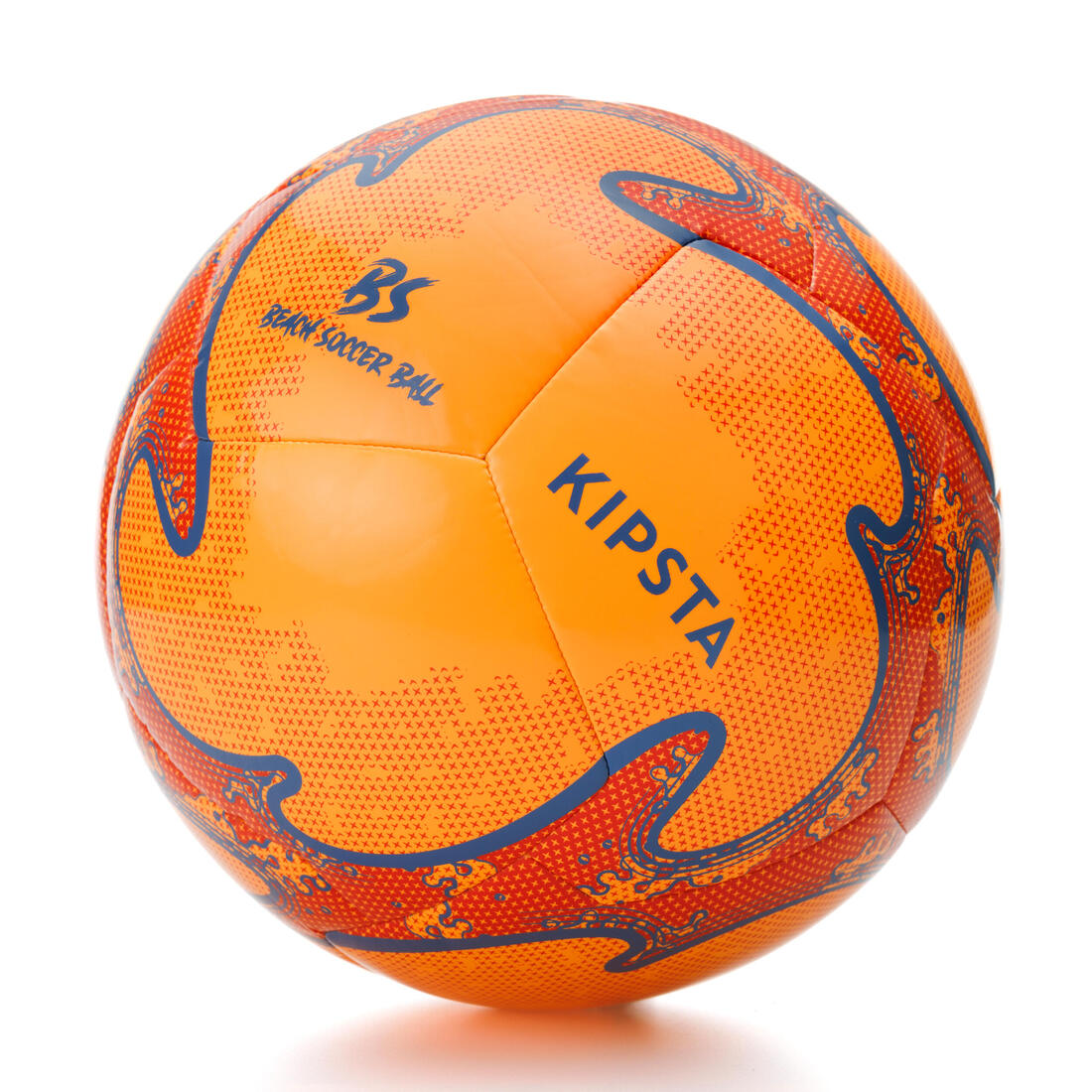


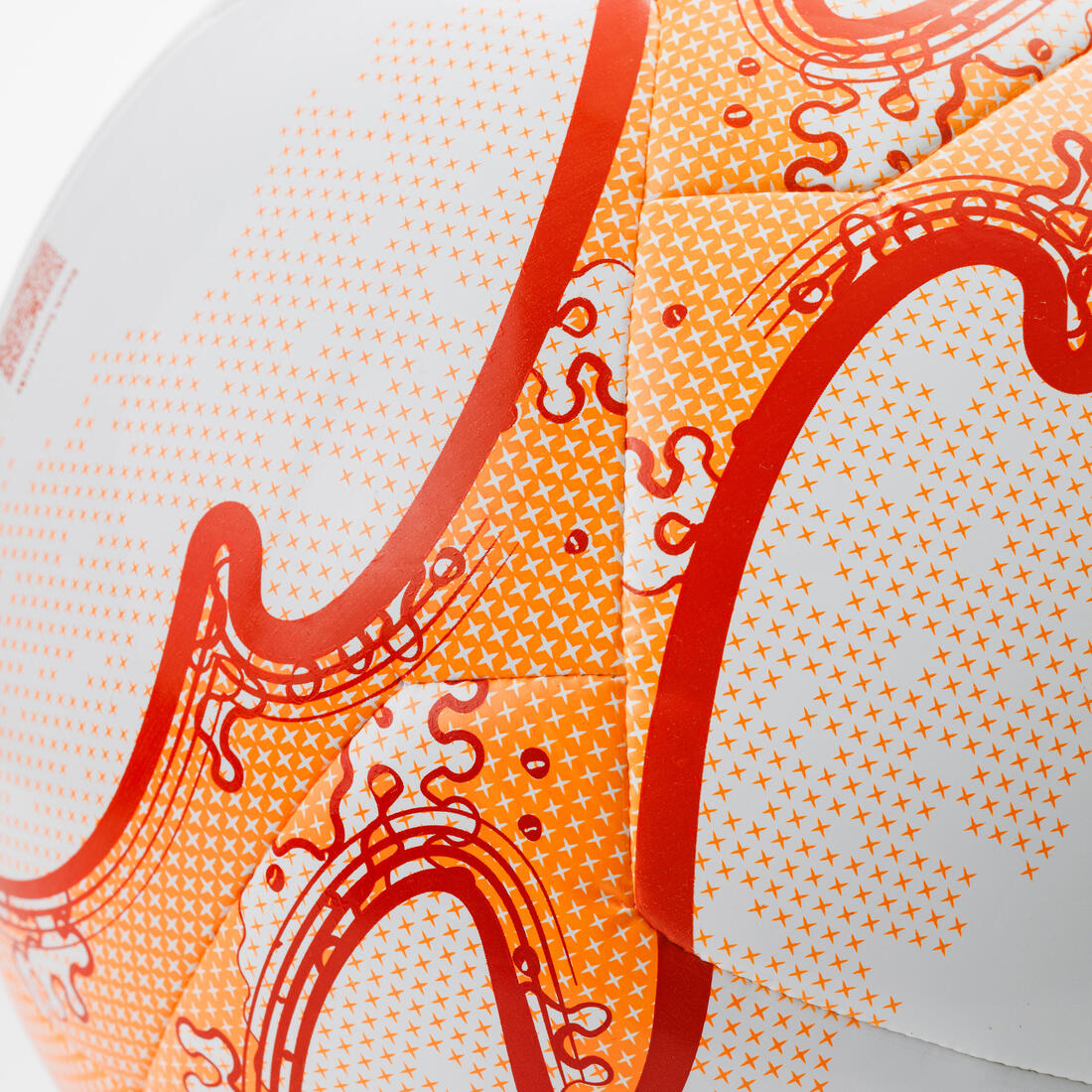
This beach soccer ball for children makes it easier to learn, whether at a club or for fun. Its ‘Hybrid Light’ design, which is 15% lighter than a standard model, helps lift the ball off the sand.
Ölçü 5 hibrid çimərlik futbolu topu yüngül – ağ/narıncı
8809227 / 5 / [white]
28 Mall
Secure payment
We also offer payment in 2, 3 or 4 installments for purchases of €150 or more.
Secure payment
We also offer payment in 2, 3 or 4 installments for purchases of €150 or more.
exchanges
You have up to 90 days to return your items. More information via this lien.
exchanges
You have up to 90 days to return your items. More information via this lien.
This ball is 15% lighter than a standard ball of the same size.
The panels' stitching is hidden on the inside so that it won't wear out as fast.
Excellent stability thanks to its 12-panel symmetrical design.
Keeps ball pressure for longer thanks to the laminated rubber bladder.
Description
The size of this ball is between 68.0 cm and 70.0 cm (size 5).
Here's how we test sphericity: Average measured variation: maximum 1.8%. We measure the football's sphericity at 4500 different points and examine the recorded discrepancies.
This ball was born for the sand! Co-designed in partnership with beach soccer star, Madjer (named best player in the world 5 times) and tested by kids on Portuguese beaches. We designed this ball with the comfort of a machine-sewn ball and the robustness of a hand-sewn ball, making it a truly hybrid piece.
This ball is considered light because it is about 15% lighter than a regular size 5 beach soccer ball. What difference does that make? Thanks to its weight, young football players can kick or head the ball more comfortably. It's also easier to aim and execute long passes.
Here's how we test pressure loss: We inflate the ball to the max pressure (0.6 bar). 72 hours later, the ball must not lose more than 15% of its pressure, meaning approx. 0.1 bar. The pressure after 72 hours must, therefore, be at approx. 0.5 bar. This also means that it is quite normal for a ball to lose pressure after a few days.
Here's how we test water absorption: We simulate rainy playing conditions in a lab, leaving the ball to sit in 2 cm of water on a pivoting support whilst subjecting it to 250 compressions. At the end of the test, the ball must have absorbed no more than 15% of its weight.
The most stringent test we put this ball through is the shooting machine test. The ball must resist 2,500 shoots against a concrete slope at 50 km/h at a distance of 2.5 m. At the end of the test, we check: - the ball's general state: stitching must withstand this test - the circumference: must not have increased by more than 1.5 cm. - the sphericity: it must not have varied by over 1.8% - the pressure: loss of pressure must not exceed 15%.
We value your feedback and use it to continuously improve our products.A huge thank you in advance for sharing your feedback with us.
Key features
Key features
Composition
Composition
0 reviews
Member card
Please log in to view your member card.
Member card
Please log in to view your member card.
Member card
Please log in to view your member card.
Member card
Please log in to view your member card.