
[Durability]
The grey coating protects the weights against shocks.
You can find Gift Cards from our store
Cookie policy
I agree to the processing of my data in accordance with the conditions set out in the policy of Privacy.Cart
Your cart is empty
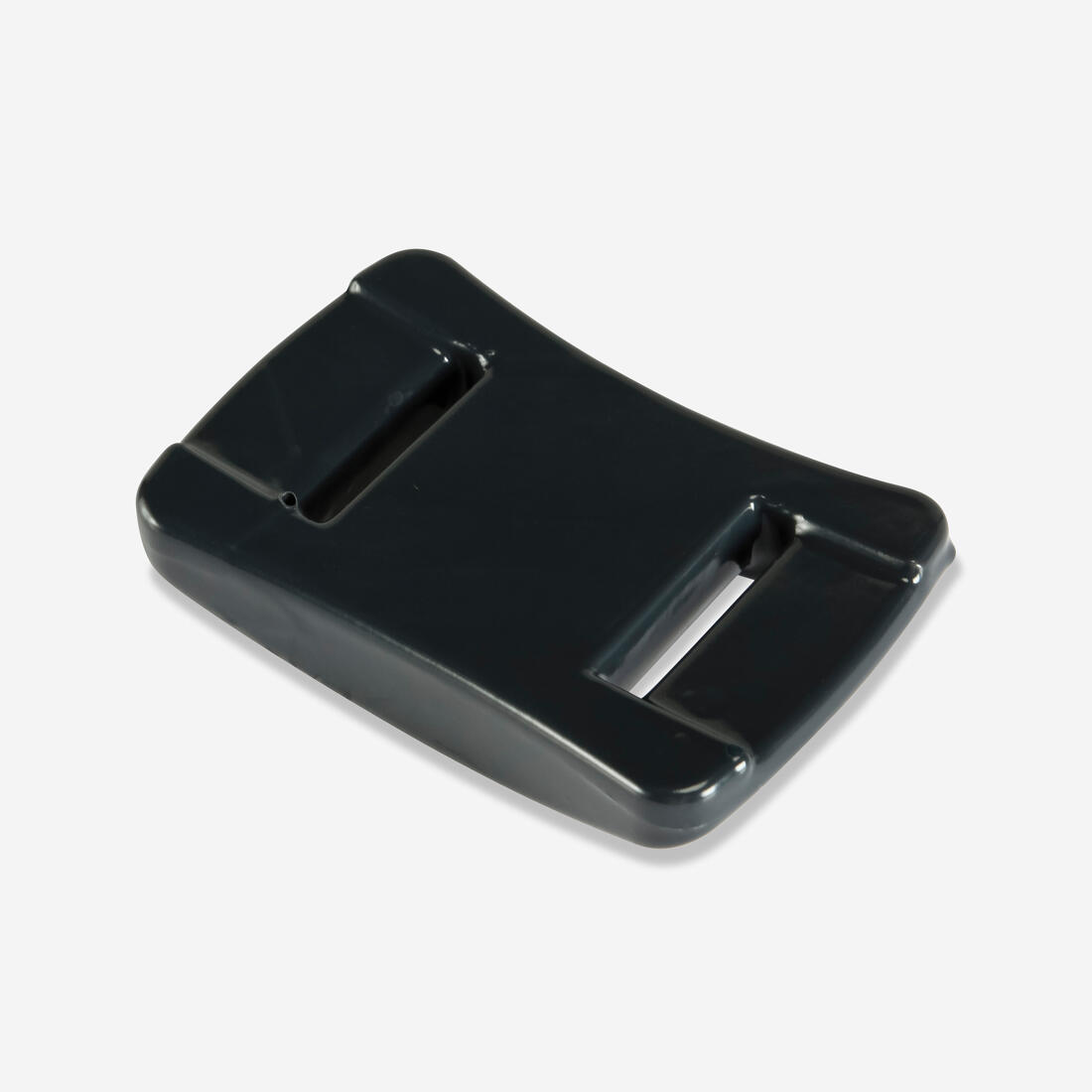

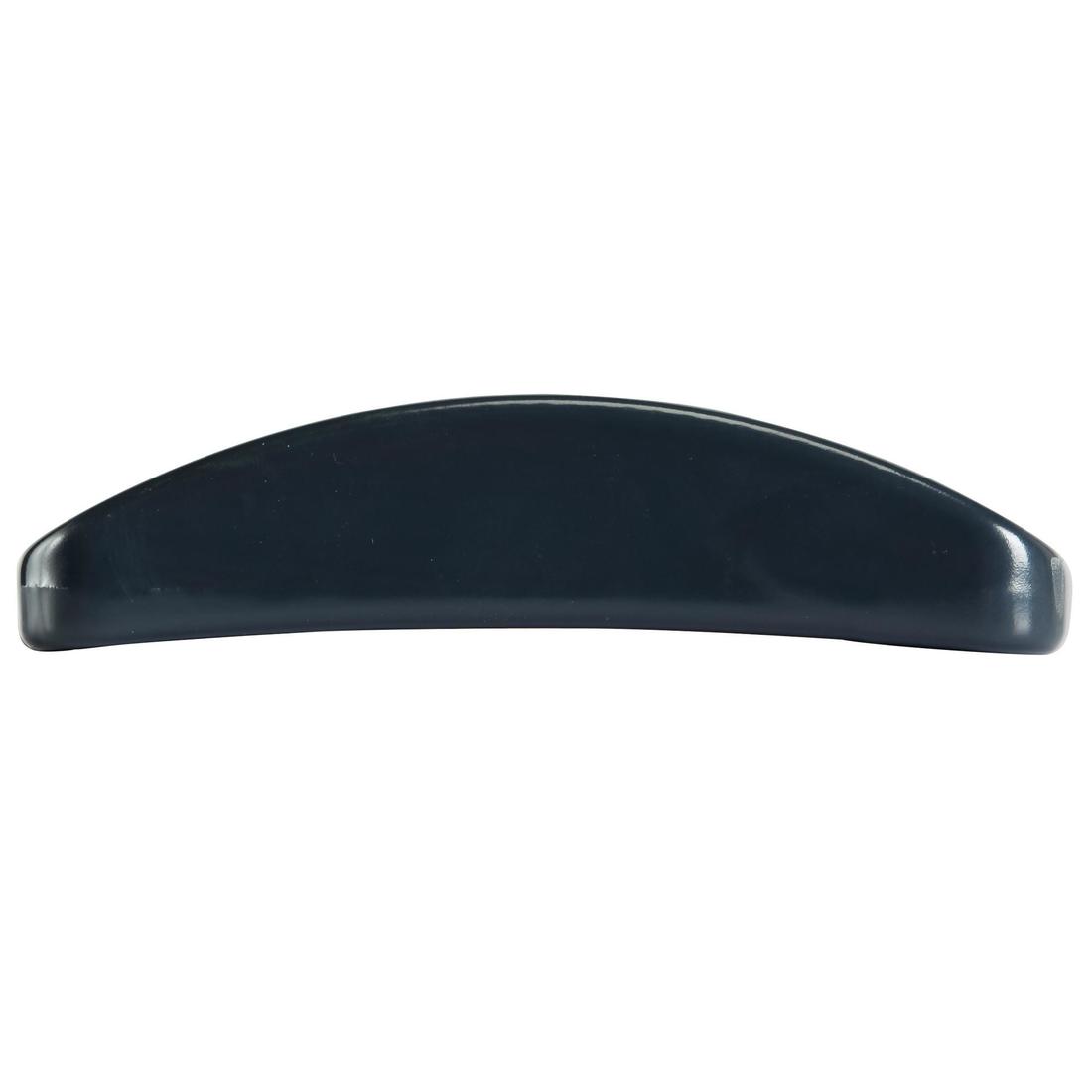


This diving weight stands out by its grey colour. A little bonus that prevents direct contact with the lead in the water.
Secure payment
We also offer payment in 2, 3 or 4 installments for purchases of €150 or more.
Secure payment
We also offer payment in 2, 3 or 4 installments for purchases of €150 or more.
exchanges
You have up to 90 days to return your items. More information via this lien.
exchanges
You have up to 90 days to return your items. More information via this lien.
The grey coating protects the weights against shocks.
This weight slides onto your diving belt.
Slot: 5 x 0.8 cm
This uncoated weight weighs 2 kg (with a tolerance of ±5 %).
Description
97% hardened lead, 3% polyvinyl chloride (PVC) A small hole is systematically present in the weight’s PVC coating to allow air to escape during manufacture. Dimensions (L x W x H): 13.5 x 9 x 3 cm Slot: 5 x 0.8 cm
1/ Your physiology (weight) and your body mass index (weight/size). 2/ Water: buoyancy is greater in seawater (you need more weights) than in fresh water. 3/ Your diving suit: the thickness of the neoprene also influences buoyancy. 4/ The weight of the tank (for SCUBA diving) and the volume of the air content: the more air you consume, the lighter your cylinder becomes and your buoyancy tends to become positive (you float!).
Weight stops (or belt slides) let you connect your weights together: this prevents them from moving when you move in the water.
Description
97% hardened lead, 3% polyvinyl chloride (PVC) A small hole is systematically present in the weight’s PVC coating to allow air to escape during manufacture. Dimensions (L x W x H): 13.5 x 9 x 3 cm Slot: 5 x 0.8 cm
1/ Your physiology (weight) and your body mass index (weight/size). 2/ Water: buoyancy is greater in seawater (you need more weights) than in fresh water. 3/ Your diving suit: the thickness of the neoprene also influences buoyancy. 4/ The weight of the tank (for SCUBA diving) and the volume of the air content: the more air you consume, the lighter your cylinder becomes and your buoyancy tends to become positive (you float!).
Weight stops (or belt slides) let you connect your weights together: this prevents them from moving when you move in the water.
Composition
Composition
0 reviews
Member card
Please log in to view your member card.
Member card
Please log in to view your member card.
Member card
Please log in to view your member card.
Member card
Please log in to view your member card.